Living at the Atlantic’s Edge
1/9/20262 min read
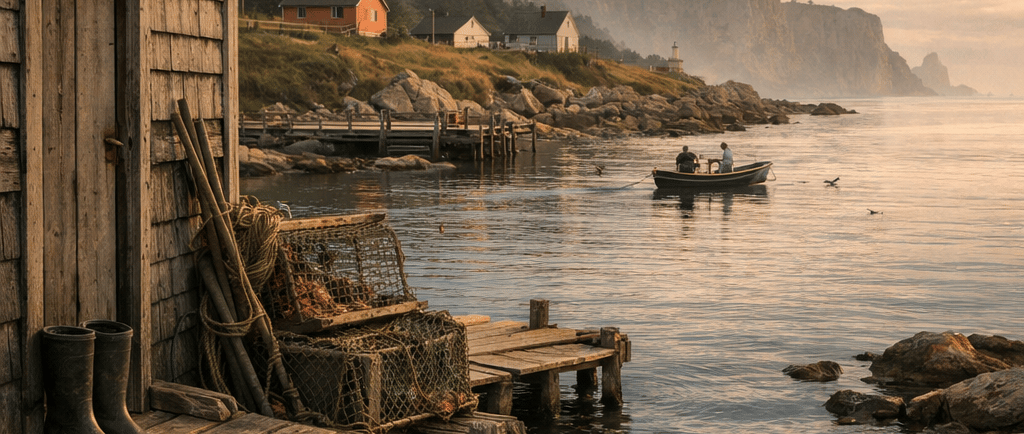
There is a particular way life settles along the Atlantic coast. It does not announce itself. It reveals itself slowly, through repetition, restraint, and an unspoken agreement to live with what the day offers rather than against it.
Along this edge of the country, the ocean is not a backdrop. It is an active presence—quiet some days, insistent on others. It shapes schedules, tempers expectations, and reminds those who live here that control is often an illusion best released. To live well on the Atlantic is to accept this arrangement willingly.
In coastal New Brunswick, that acceptance is subtle. The landscape does not demand attention, and neither do the people. Preparedness is simply a fact of life—boots by the door, supplies gathered early, plans left open enough to bend. Days move steadily, without spectacle. There is a calm competence to it all, born not from comfort but from familiarity. The ocean is close, but rarely dramatized. It is there, and that is enough.
As the coast curves toward Nova Scotia, time begins to feel more elastic. Roads wind the way they always have, unconcerned with efficiency. Communities form through history rather than design. Conversations linger longer than planned. Work ends when it is finished, not when it is signaled. There is a quiet assurance here—a sense that life does not need to be hurried to be full. The long way, more often than not, is the better way.
Further along, Prince Edward Island narrows both land and focus. Life here rewards attentiveness. The seasons are not background—they are instruction. Growth happens incrementally. Change is noticed because it arrives slowly. Nothing is rushed, yet nothing feels wasted. There is intention in the repetition, patience in the process. It is a place that teaches restraint without austerity, reminding you that progress measured carefully tends to last.
And then there is Newfoundland and Labrador, where the coast makes no effort to soften itself. Wind moves freely across rock and water. The landscape is direct, weathered, unapologetic. The culture mirrors this clarity. Language is precise. Humour is dry. Generosity is practiced quietly, without performance. Strength here is not romanticized. It is lived, daily, in a refusal to dilute what does not need dilution.
What unites these places is not aesthetic, nor trend. It is a shared understanding that life along the Atlantic is shaped by forces larger than any one person. The response is not resistance, but alignment. Fewer excesses. Greater attention. A respect for durability, for rhythm, for things that hold up over time.
Atlantic Coast living does not promise ease. It offers steadiness. It does not chase novelty. It values what lasts. And in a world increasingly driven by urgency and display, this way of living feels quietly radical.
To live at the Atlantic’s edge—whether physically or in practice—is to choose a life rooted in awareness. To move slower, not out of hesitation, but intention. To understand that simplicity, when chosen deliberately, can be a form of richness.
The coast teaches this without instruction. You simply live here long enough to notice.